Tesshin spoke this week about Koans and how they are perfect – even if we do not understand them right away. He gave us two examples…
The first relates a story where a monk a monk asked Ummon, “What will happen when the leaves fall and the trees become bare?” Ummon said, “Physical emanation in the golden wind!” What does that mean? How can something be prefect when we do not even understand it?
Tesshin mentioned that there are three way to approach the teachings. The first is academic studies. We can read about the Koan on the web and get a neatly summarized explanation. This approach is like reading about baseball in a book and become frustrated when we still cannot hit the ball! The second approach is to steady the mind through meditation. This is like working out in the gym to improve our strength before stepping up to the batter’s box. However, it is the last step – taking up the Koans directly and transcending them – which is like hitting the home run. If you ask a baseball player how to be great, they would not be able to tell you much beyond the rules of the game and engaging in lots of practice. It is the same with Zen. We need to know the background stories of the Koans and we need to have a steady mind, however this means nothing until we apply to Koans to our life in this exact moment.
So what is the “Golden Wind?” This is a poetic expression for autumn in China. In the Koan Autumn is to mean a sense of vulnerability. The monk is really asking what happens when we finally let go of our attachments? Yumen answers “Body Exposed” We are open to the “autumn winds” of life. This is to mean the good and bad of life – everything with no pre-judgment. Do you understand – if not, then do not worry – simply practice practice practice!
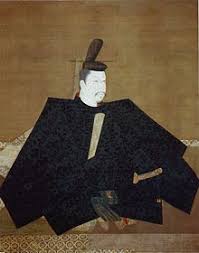
The second example Tesshin provided was the parable of the Shogun and his three sons. This is not technically a Koan, but nicely reinforces again what Tesshin was talking about when approaching the Koans. The story starts with the Shogun calling his first son into the audience chamber. On top of the door is poised an expensive vase. The first son enthusiastically rushes into the chamber and is knocked out when the vase hits his head. OUCH! The Shougn then calls in the second son. This son is more self-conscious and disciplined. When he comes in, he draws his sword and smashes the vase before it can hit his head. Great, but the vase is still smashed! The third son is the most accomplished of the group. When he is called, he simply raises his hands and catches the vase and brings it to his father. The shogun exclaimed, “This son will inherit my kingdom!” The message here is clear. The first son is like many of us practicing today. We are enthusiastic and spirited, but we lack grounding and experience – as such, we go bumbling about and get easily frustrated. The second son is like a student who has achieved a small amount. This one is less “dangerous” but still is deluded. It is only the last son – or the student who has achieved mastery – who can inherit and care for Zen into the future. Personally, I think this is very relevant today as there are many teachers in the West who really have not had full realization. They are like the second son, who could still potentially cause great harm. In this sense, we are lucky to have Tesshin who embodies the third son and who is willing and able to inherit and care for Zen well into the future.
Leave a Reply